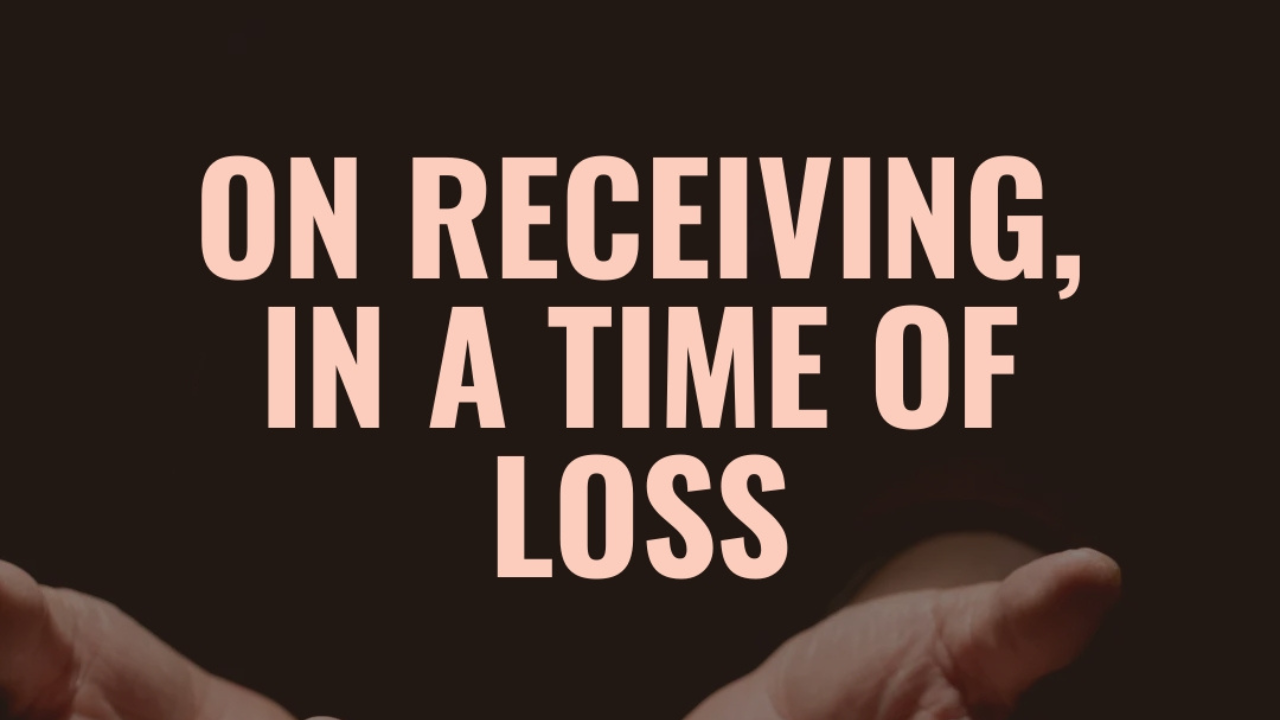
Creating Meaning Without God
I had a delightful conversation last month about Creating Meaning Without God with Recovering From Religion, a non-profit that supports people who have left religious faiths, for their RfRx series.
I had a delightful conversation last month about Creating Meaning Without God with Recovering From Religion, a non-profit that supports people who have left religious faiths, for their RfRx series.

Danielle LaSusa Ph.D. is a Philosophical Coach, helping new moms grapple with what it means to make a person. She is the co-creater and co-host of Think Hard podcast, which brings fun, accessible, philosophical thinking to the real world. To join her mailing list, subscribe here.
© Copyright Danielle LaSusa PhD, LCC, 2020. All rights reserved.

Make Your Purpose: A Free Practical Philosophy Class
If you missed Make Your Purpose: A Free Practical Philosophy Class, I’m sharing the complete video here. In this class we discuss:
What it means to live an inherently purposeless life
Why some people seem to have a strong sense of purpose while others don't
How to develop a sense of deep meaning and purpose in your own life
How to be grateful for even the most awful life experiences, and see them as connected to your purpose
If you missed Make Your Purpose: A Free Practical Philosophy Class, I’m sharing the complete video here. In this class we discuss:
What it means to live an inherently purposeless life
Why some people seem to have a strong sense of purpose while others don't
How to develop a sense of deep meaning and purpose in your own life
How to be grateful for even the most awful life experiences, and see them as connected to your purpose
I was originally planning to do an August class, but I've decided to take the month of August off. So, watch out in September for a class called The Existential Crisis of Parenthood!
If you need to talk, I’m here. Schedule a free 30-minute consultation anytime.
Danielle LaSusa Ph.D. is a Philosophical Coach, helping new moms grapple with what it means to make a person. She is the co-creater and co-host of Think Hard podcast, which brings fun, accessible, philosophical thinking to the real world. To join her mailing list, subscribe here.
© Copyright Danielle LaSusa PhD, LCC, 2020. All rights reserved.
Why to Choose Hope, Not Optimism
Inspired by Cornel West’s differentiation between the concepts of hope and optimism, in this video I discuss why to choose hope, even when everything looks terrible.
I recorded it before the current racial justice protests, but I think it is as useful as ever.
Inspired by Cornel West’s differentiation between the concepts of hope and optimism, in this video I discuss why to choose hope, even when everything looks terrible.
I recorded it before the current racial justice protests, but I think it is as useful as ever.

If you're overwhelmed with sadness, but want to turn towards hope and get to work, schedule a free 30-minute phone consultation with me. Let's talk.
Danielle LaSusa Ph.D. is a Philosophical Coach, helping new moms grapple with what it means to make a person. She is the co-creater and co-host of Think Hard podcast, which brings fun, accessible, philosophical thinking to the real world. To join her mailing list, subscribe here.
© Copyright Danielle LaSusa PhD, LCC, 2020. All rights reserved.

Choosing Hope: A Practical Philosophy Class
If you weren’t able to attend, I’m sharing the complete video from Choosing Hope: A Practical Philosophy Class. This class teaches you how and why to choose hope, even when the world is terrible. We covered:
The difference between optimism and hope
Hope as a decision and a virtue—not a feeling
How to cultivate hope as a habit
Why to hope, even when success is not guaranteed, or even likely
One attendee received live coaching during class, and others asked great questions during our Q & A. Take a look:
If you weren’t able to attend, I’m sharing the complete video from Choosing Hope: A Practical Philosophy Class. This class teaches you how and why to choose hope, even when the world is terrible. We covered:
The difference between optimism and hope
Hope as a decision and a virtue—not a feeling
How to cultivate hope as a habit
Why to hope, even when success is not guaranteed, or even likely
One attendee received live coaching during class, and others asked great questions during our Q & A. Take a look:

If you need to talk, I’m here. Schedule a free 30-minute consultation anytime.
Danielle LaSusa Ph.D. is a Philosophical Coach, helping new moms grapple with what it means to make a person. She is the co-creater and co-host of Think Hard podcast, which brings fun, accessible, philosophical thinking to the real world. To join her mailing list, subscribe here.
© Copyright Danielle LaSusa PhD, LCC, 2020. All rights reserved.

How I'm Learning to Stop Performing Anti-Racism and Start Living It
As a white person who grew up in suburbia, I felt pretty proud of myself for being at the 2014 police brutality protests in New York City. I’d sat in my living room watching a video of a white police officer choking Eric Garner to death in broad daylight. I watched his mother weep on television, and I—after years of teaching philosophy at one of the most racially diverse schools in the country, where I had come to love so many of my students of color—shook and wept on my couch. Overwhelmed with a need to do something, I walked out into the night to march with others who were as outraged as I was.
I’d come a long way in my own racial justice awakening. Not only did I feel like maybe marching in the streets would change something, I felt visible as a Black ally. I passionately posted photos and videos of the protests on social media, along with quotes from activists of color, with all the appropriate hashtags. I felt like I could say, “I’m one of the good ones.”
As a white person who grew up in suburbia, I felt pretty proud of myself for being at the 2014 police brutality protests in New York City. I’d sat in my living room watching a video of a white police officer choking Eric Garner to death in broad daylight. I watched his mother weep on television, and I—after years of teaching philosophy at one of the most racially diverse schools in the country, where I had come to love so many of my students of color—shook and wept on my couch. Overwhelmed with a need to do something, I walked out into the night to march with others who were as outraged as I was.
I’d come a long way in my own racial justice awakening. Not only did I feel like maybe marching in the streets would change something, I felt visible as a Black ally. I passionately posted photos and videos of the protests on social media, along with quotes from activists of color, with all the appropriate hashtags. I felt like I could say, “I’m one of the good ones.”
Two weeks ago, I sat in my living room watching a video of a white police officer choking George Floyd to death in broad daylight. I again felt the desire to take to the streets.
And then I felt myself stop.
Unlike in 2014, we are in the midst of global pandemic, and I now have a four-year-old. I felt myself get small and afraid to put my child and my family in danger. And then I immediately felt guilty. Children of color are more likely to be killed by racism, police, or poverty than they are by COVID-19, and their parents don’t have the privilege or luxury to opt out of danger.
I spent several days wringing my hands. I was ashamed of my fear and selfishness. I wanted to demonstrate and show up as I had in the past, but marching felt too scary, and I certainly couldn’t post that on social media and feel like a good ally.
As a philosopher and an expert in logic, I am well aware of my own ability to rationalize my fear and to attempt to justify my decisions. I knew that making a feeble attempt to justify my lack of protesting publicly was not helpful, at best, and damaging to the cause, at worst.
All the while, I kept reminding myself—and reading posts on social media from activists of color telling me—feeling bad is not enough. White guilt, outrage, despair, and performative displays of it, don’t change anything. As Ijeoma Oluo put it in a tweet, “Don’t make us swim through your tears while we fight.”
“One of the Good Ones”
So, I decided I would write an essay—this essay—about how I am taking this “opportunity” to do other kinds of actions that help racial justice. Of course, this is action I’d failed to take in the intervening years between 2014 and now, because I had convinced myself that, by marching and hash-tagging back then, my work was done.
I started to make a list of what I’m doing in working toward racial justice: following more people of color on social media, calling my Congressional representatives, donating money to anti-racist community organizations, and finally, after years of being afraid to do so, reaching out to my conservative, Trump-supporting family members to invite conversations about race and racism. (I’ve started to have those conversations, by the way, and as uncomfortable as they are, I wish I had initiated them years ago.)
I wrote paragraphs, (like this one), finger-wagging at my fellow white people to say that the dismantling of centuries of codified, ossified white supremacy doesn’t happen because you go to a march and post about it for a week on Instagram. It is work. Much of that work is not glamorous. It is not bullhorns, chanting, and drum playing. It is endless meetings, canvassing, phone calls, uncomfortable conversations, and tedium. And like any other work, it happens through the sustained and organized effort of networks of people, a little at a time, day after day.
And I believe that all that is true, (while also recognizing that increasingly, everyday, we are seeing the power of protesting in the streets to initiate reforms). But, I was writing it because I wanted to justify my cowardice and to make my work as a white ally for racial justice visible. I still was trying to rationalize—to make it known that I’m one of the good ones.
As a white woman, “being good” is so important to my sense of self worth. It is a perfect example of white fragility. But the more aware I become of my own desperate need to be seen as a good person who always does the right thing, the more exhausted I become with my own performative efforts to demonstrate my goodness. More importantly, I see how much harm it does in undercutting the people and causes I’m purporting to help.
On Showing Up and Being Seen
One sentiment that I see from a lot of my white friends and allies is that we need to show up, speak up, and not stay silent in the face of oppression. We hold signs and make posts that say, “If you are neutral in situations of injustice, you have chosen the side of the oppressor.” True enough.
But I wonder how many of us do it, not because our fellow humans are being treated inhumanely, but because, when the cameras are running and protests are on the news, we don’t want to be on the wrong side of history.
If this is our aim, it only makes sense that we need to make sure that we are being seen doing good, so we can show the photos of ourselves at the marches to our kids and grandkids and tell them that we fought for justice.
In performing activism for our own images, we white folks again place more value on our own egos than on the humanity of other people. How often do we subtly insist that people of color congratulate us for recognizing our privilege and making any modicum of effort to do something about it?
Demonstrating our solidarity at protests and on social media is not a bad thing. In fact, the last few weeks have shown us how powerful it can be. But if we do it as a replacement for speaking up when our colleague makes a racist comment, or lobbying our lawmakers to enact reform, or donating our money to racial justice organizations, or patronizing Black-owned businesses, or boycotting a company that harms people of color, because we think our work is done, (again, all things I have been guilty of and continue to be guilty of), we are missing the real nature of anti-racism work.
Yes, white folks need to show up. Yes, we need to show our solidarity. Yes, we need to not remain silent. But we also need to remember that so much meaningful anti-racism work is publicly invisible and happens in the days between public uprisings.
“I Don’t Know Where to Start”
By now, I’m sure you’ve seen the lists of resources and action items for how to help fight for racial justice as a white person. Here, here, here, here, and here are just a few examples.
Upon reading these lists, it is tempting to swing from “I don’t know what else to do” to “There are so many things to do, I don’t know where to start,” and to once again let our white despair take over as we fall into complacency and quietism.
For white people who are, comparatively, used to having our actions be seen, heard, respected, and making an impact in the world, we can easily be overwhelmed with the magnitude of the task at hand. The thought of working tirelessly toward a goal that may or may not be realized in one, two, or ten lifetimes feels too hard.
But activists of color have been doing that work, largely without white people, for years. Let’s not add another insult to our friends of color by telling them that the job of fully recognizing their humanity is too difficult to achieve.
Pick Something. Do It. Repeat.
Here is what I am now telling myself: If you don’t know where to start, pick something. Pick one thing that makes good use of your skills, resources, access, and talents, towards racial equity. Do that one thing.
Do it regularly, year-round, and not just when racial justice is a media trend. Do it, knowing that your effort may be ignored, dismissed, criticized, or make no discernible difference. Do it, in spite of fear, anger, sadness, shame, or lack of visibility. Do it, knowing that you are joining the quiet, invisible, unappreciated work of so many people of color who have been doing this work for years, often at great physical peril.
Do it without needing to be seen, as “one of the good ones,” doing it. And then, repeat.
Danielle LaSusa Ph.D. is a Philosophical Coach, helping new moms grapple with what it means to make a person. She is the co-creater and co-host of Think Hard podcast, which brings fun, accessible, philosophical thinking to the real world. To join her mailing list, subscribe here.
© Copyright Danielle LaSusa PhD, LCC, 2020. All rights reserved.
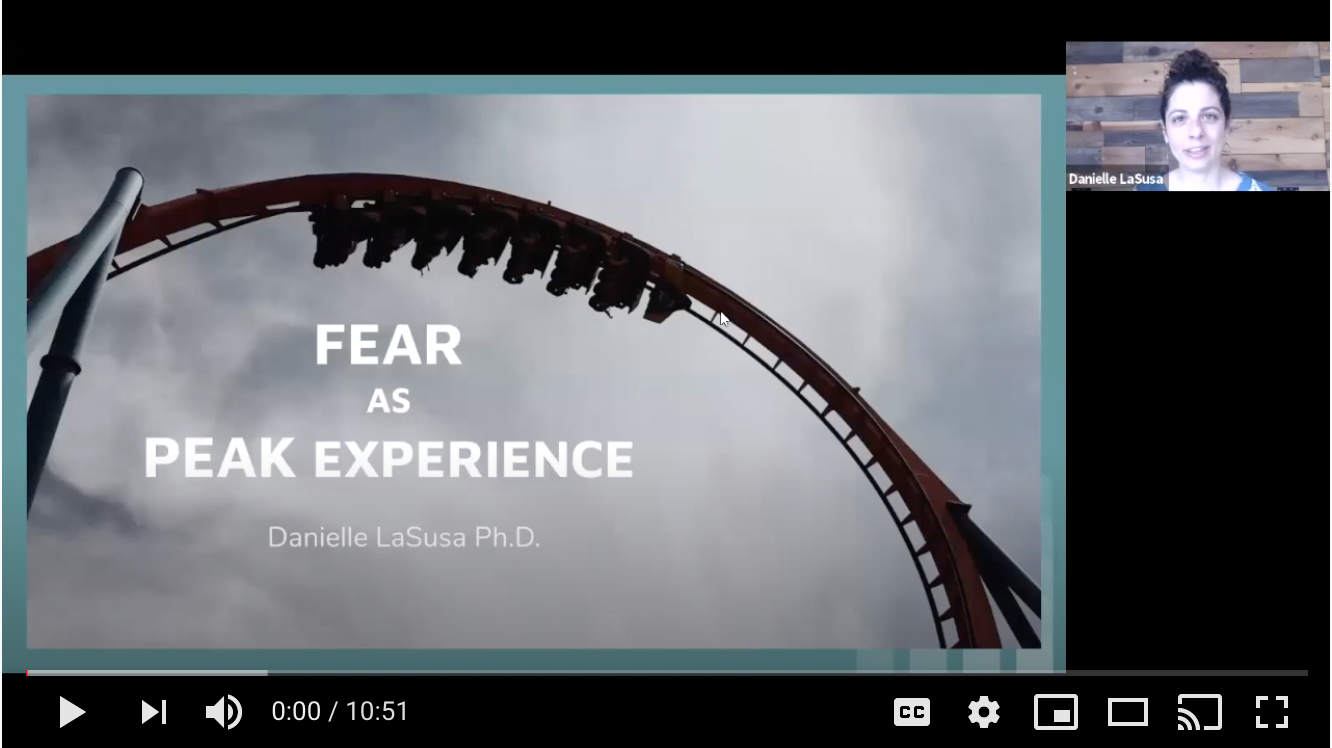
Transform Fear with Philosophical Thinking
Take a look at how to transform fear into a peak experience and a pathway to tenderness, compassion, and healing in this short video.
I originally gave this presentation through 52 Limited, but it’s more relevant now than ever.
Take a look at how to transform fear into a peak experience and a pathway to tenderness, compassion, and healing in this short video.
I originally gave this presentation through 52 Limited, but it’s more relevant now than ever.

If you’re interested in diving deeper into Philosophical Coaching, get in touch and set up a free 30-minute consultation with me.
Danielle LaSusa Ph.D. is a Philosophical Coach, helping new moms grapple with what it means to make a person. She is the co-creater and co-host of Think Hard podcast, which brings fun, accessible, philosophical thinking to the real world. To join her mailing list, subscribe here.
© Copyright Danielle LaSusa PhD, LCC, 2020. All rights reserved.

COVID Ethical Dilemmas
In this video, I offer some ethical frameworks from philosophy's thousands of years of wisdom on how to sift through this crisis.
I learned recently that the word "crisis" comes from the Greek "krisis" which means "a decisive or turning point," and its root "krei-", which literally means "to sieve or sift." Well, that pretty much says it, doesn't it? We're all sifting through our lives right now, being forced to make decisions about what is important to us and what to discard.
Both as individuals and as a society, we are asking how to sift through our different needs, values, and responsibilities. How do we weigh our mental or economic health against the physical health of our most vulnerable populations? In the video below, I offer some ethical frameworks from philosophy's thousands of years of wisdom on how to sift through this crisis.

How are you sifting through this crisis? What is emerging as important to you? What little gems of insight were there beneath the surface that you would not have noticed if not for this opportunity to sift through it all? Let me know: comment below or send me an email.
Danielle LaSusa Ph.D. is a Philosophical Coach, helping new moms grapple with what it means to make a person. She is the co-creater and co-host of Think Hard podcast, which brings fun, accessible, philosophical thinking to the real world. To join her mailing list, subscribe here.
© Copyright Danielle LaSusa PhD, LCC, 2020. All rights reserved.
$10 Group Philosophical Coaching, In Response to COVID-19 dc
I've had a strong urge to do something to help during this COVID-19 crisis. I know that we all need someone who can hold us while we fall apart, especially when we're all trying to be strong for everyone else around us. Normally, my philosophical coaching is $135/session, but I've decided to offer group coaching for $10/session. These group coaching sessions are for:
YOU, if you feel burdened by major shifts in your day-to-day life, and want to figure out how to manage this long emergency
YOU, if you feel totally overwhelmed, and want to get some clarity and calm
YOU, if are concerned about the future of our communities, our nation, and our world, and want to see them protect, provide, and flourish
YOU, if you feel the weight of this existential threat, and want to gather with others to hold it with you
YOU, if you are unsure how to move forward, and want focus for next steps to help create a better future
I've had a strong urge to do something to help during this COVID-19 crisis. I know that we all need someone who can hold us while we fall apart, especially when we're all trying to be strong for everyone else around us. Normally, my Group Philosophical Coaching is $65/session, but I've decided to offer it for $10/session.
What is Philosophical Coaching?
Philosophy, which simply means "love of wisdom," is about purpose, identity, and seeing the world clearly. In Philosophical Coaching, I offer friendly and accessible conversation, compassionate listening, discerning questions, and concrete tools to help you navigate this current moment.
WHO is GROUP PHILOSOPHICAL COACHING FOR?
These group coaching sessions are for:
YOU, if you feel burdened by major shifts in your day-to-day life, and want to figure out how to manage this long emergency
YOU, if you feel totally overwhelmed, and want to get some clarity and calm
YOU, if are concerned about the future of our communities, our nation, and our world, and want to see them protect, provide, and flourish
YOU, if you feel the weight of this existential threat, and want to gather with others to hold it with you
YOU, if you are unsure how to move forward, and want focus for next steps to help create a better future
I'M LOOKING FOR PEOPLE WHO ARE:
Maybe you feel like group coaching is intimidating or too vulnerable for you. That's ok. It’s hard to open up to strangers. Yet, in doing so, we find connection, community, and hope. I’m looking for people who are:
Scared, but brave: We're all scared right now. I know. I'm scared too. But anxiety and fear don't help us make good decisions, so you need to be willing to learn from these emotions, rather than run from them.
Willing to be a light in the storm: What we need now is leaders—people who offer guidance, comfort, and wisdom to their families, their colleagues, their neighbors, and their communities. I want you to be a leader for the people in your life.
Open, rather than cynical: Although things look bleak right now, I want you to at least hold the possibility that this public crisis—like all crises—is an opportunity for transformation, connection, and healing.
What will we do?
The Group Philosophical Coaching session will focus on how to transform fear, and see it as a gateway to compassion, tenderness, and beauty. I will give some background on the experience of fear and how we get trapped in the “fear cycle.”
Then, each person will have a chance to share current fears, concerns, and thoughts. (Each group is 2 hours and capped at 5 people, so there will be time for everyone.)
We'll then do a guided meditation to sit with your fear and let yourself fully feel it, relax into it, and see it as a manageable, and even a peak, human experience.
We'll end the meditation with a compassion/ loving-kindness practice that will help you feel more connected, confident, centered, and ready to respond to the world.
And it’s only 10 bucks.
When is it and how do I join?
Groups will be offered:
Weds. April 1, 10am-12pm PST
Sun. April 5 1pm-3pm PST
Tues. April 14 7pm-9pm PST
All group sessions will meet remotely via Zoom. When you register, I’ll send you the details. All new clients will be required to complete intake paperwork before the session begins. Limit one session per person. Available while supply lasts. First come, first served.
All new clients will be required to complete intake paperwork before the session begins. Limit one session per person. Available while supply lasts. First come, first served.
HOW CAN YOU HELP?
If you don't currently want a session and/or would like to help support this effort and my continued ability to offer low-cost Philosophical Coaching, you are welcome to donate to my Scholarship Fund. (Note that for the next 30 days, that money will help support anyone who wants coaching; we're all in hardship right now).
Danielle LaSusa Ph.D. is a Philosophical Coach . She helps new moms grapple with what it means to make a person. She is the co-creater and co-host of Think Hard podcast, which brings fun, accessible, philosophical thinking to the real world.
© Copyright Danielle LaSusa PhD, LCC, 2020. All rights reserved.

$10-$30 Philosophical Coaching, in response to COVID-19
I've had a strong urge to do something to help during this COVID-19 crisis. I know that we all need someone who can hold us while we fall apart, especially when we're all trying to be strong for everyone else around us. We need to think through what this is doing to society, to relationships, to ourselves. Normally, my philosophical coaching is $135/session, but I've decided that, starting today, during the next 30 days, I'm offering individual coaching for $30/session and group coaching for $10/session.
UPDATE: Friday, 3/27/20, 10am PST
The $30 Individual Philosophical Coaching sessions are SOLD OUT. $10 Group Coaching sessions are still available. See below to learn more.
I've had a strong urge to do something to help during this COVID-19 crisis. I know that we all need someone who can hold us while we fall apart, especially when we're all trying to be strong for everyone else around us. We need to think through what this is doing to society, to relationships, to ourselves. Normally, my philosophical coaching is $135/session, but I've decided that, starting today, during the next 30 days, I'm offering individual coaching for $30/session and group coaching for $10/session.
During Group Sessions, we will discuss how to transform fear into a manageable, and even special, experience. Each person will have a chance to share current fears, concerns, and thoughts. We'll then do a guided meditation to sit with your fear and let yourself fully feel it, relax into it, and let it take you for a wild ride. We'll end the meditation with a compassion/ loving-kindness practice that will help you feel more connected, confident, centered, and ready to respond to the world.
You are invited to sign up! You can book your 55-minute individual session here or your spot in a 2-hour group session here.
The details:
All sessions will be online via Zoom.
For now, I'm offering 12 spots available for individual sessions, and 15 spots available for group sessions (3 groups x 5 spots/group). See available groups for dates and times.
Individual sessions must be scheduled to occur by Friday, April 24th.
New clients who sign up for a $10 or $30 session will forgo a 30-minute free consultation.
All new clients will be required to complete intake paperwork before the session begins.
Limit one session per person. Available while supply lasts.
First come, first served.
How can you help?
If you don't currently want a session and/or would like to help support this effort and my continued ability to offer low-cost Philosophical Coaching, you are welcome to donate to my Scholarship Fund. (Note that for the next 30 days, that money will help support anyone who wants coaching; we're all in hardship right now).

Danielle LaSusa Ph.D. is a Philosophical Coach and Consultant. She helps new moms grapple with what it means to make a person. She is the co-creator and co-host of Think Hard podcast, which brings fun, accessible, philosophical thinking to the real world.
© Copyright Danielle LaSusa PhD, LCC, 2020. All rights reserved.

What to do with Coronavirus Fear: A Surprising Take
This is a scary time. In the midst of this coronavirus crisis, so many of us feel powerless, overwhelmed, and overcome by anxiety. We CAN weather this storm with our heads and hearts intact, (and it will pass eventually), if we learn to shift our relationship to fear.
What does that mean? It means that we must come to welcome this fear as a peak human experience. Yes, that's right. Peak.
This is a scary time. In the midst of this coronavirus crisis, so many of us feel powerless, overwhelmed, and overcome by anxiety. We CAN weather this storm with our heads and hearts intact, (and it will pass eventually), if we learn to shift our relationship to fear.
What does that mean? It means that we must come to welcome this fear as a peak human experience. Yes, that’s right. Peak.
Ok, let me explain. There are TWO parts to fear:
1. The STORY of fear: This is your brain spinning tales of all the horrifying things that are happening, past, present, and future.
2. The FEELING of fear: This is the actual, physical, bodily sensations of fear: the throbbing pulse, the tight jaw, the numb face, etc. This can only be experienced right now, in your own body.
When you get stuck in the story of fear, you are trying to avoid the feeling of fear. Your brain is doing whatever it can to push away those intense sensations. Maybe, you believe, if you just think enough about it, you can solve the problem and the feeling will go away.
Of course, all it really does is make matters worse. You get more anxious. Nothing gets resolved.
The true solution here is to let yourself really feel fear. You need to merge with it, become it. Don’t just tolerate fear; give yourself over completely to it, without resistance. Go on the wild ride.
And it is a RIDE. Try it. Just stop, close your eyes, and let that fear in. Let it make you feel all light-headed, and heart poundy, and buzzy. Don’t be carried off to the story of fear, stay with the feeling, for just a few minutes. It’s a total rush.
Note, the goal here is not to make the fear go away. It is to let yourself truly experience one of the peak human emotions. This is why people go on roller coasters, and first dates, and downhill skiing. It is such a high.
It also just to happens that doing this will make you less resistant to the feeling of fear, and thus, less likely to get consumed in the story of fear.
You feel confident that you can sit with the worst of it. You feel like a badass. You feel less afraid.
That said, when the sensations get really intense, it’s often very tempting to jump back into the story of fear, but this time about your own body. You may tell yourself that your heart is thumping too loudly or your breathing is too fast, and then start to panic about it. Read: you spiral into an anxiety attack.
If this happens, try to remind yourself to relax into the sensations, to trust that the human body can only sustain the intensity of those sensations for a few minutes. It WILL pass. If you don’t throw tinder on the flames, they will subside.
If you still feel overwhelming panic, open your eyes, look around, and name the objects in front of you. What objects do you see? What colors are they? What materials are they? Describe your environment in as much detail as you can. This will help you stay out of the story of fear while also moving your attention away from the intense sensations.
Little by little, you can practice facing fear again. And as you do, you’ll feel a little more confident in your own ability to experience these feelings of full, exhilarating, human aliveness.
So, try it out. Rather that compulsively checking the news or Twitter again for the latest horrible details, take a few minutes to go on the wild fear ride!
Danielle LaSusa Ph.D. is a Philosophical Coach and Consultant. She helps new moms grapple with what it means to make a person. She is the co-creator and co-host of Think Hard podcast, which brings fun, accessible, philosophical thinking to the real world.
© Copyright Danielle LaSusa PhD, LCC, 2020. All rights reserved.

15 Reasons to Join the Meaning of Motherhood Course
There are only four spots left for The Meaning of Motherhood, my 4-week course on the philosophy of motherhood. Registration closes January 27th! Here are 15 reasons to register now:
There are only four spots left for The Meaning of Motherhood, my 4-week course on the philosophy of motherhood. Registration closes January 27th! It’s going to be comforting, illuminating, empowering.
Don’t believe me? Here are 15 reasons to register now:
You’ll learn and discuss one of the most important and validating words for new mothers that I can almost guarantee you've never heard before. Want a clue?
You’ll sit in a circle where all of your many nuanced experiences of motherhood, including the breathtaking, the heart-breaking, the brain-bending, and the boring, are welcome, valued, and seen.
You’ll find solidarity with other badass mo-fo’s who think that the way that moms and motherhood is treated in this culture is irresponsible, dehumanizing, and well, totally f-ed. You’ll raise your powerful fists together.
You’ll write your motherhood manifesto—your version of authentic motherhood—with guided writing exercises and critical analysis of mainstream mommy messaging.
You’ll learn feminist theories of knowledge that value the unique understanding of this society, culture, and human experience, formed in the hands-on experiences of motherhood.
You’ll get access to an annotated Motherhood Reading and Resource list, complete with reviews of books, tv, podcasts, movies, comedy specials, and more, curated by me, a PhD in philosophy.
You’ll talk about birth, death, and meaning, with an existentialist philosopher! What does this have to do this motherhood? Just look.
You’ll expose the cultural mythologies around “good moms” and “bad moms.” For example, is it possible in our culture to be a “good mom”, if you’re poor, single, working, and a woman of color?
You’ll discuss the ethics of bringing a new human into a troubled world. Given climate change, politics, and the general suffering of being alive, is having a kid even the right thing to do? Does it matter?
You’ll share and receive the secret mom info that nobody tells you until it’s happening. I’m looking at you, special hospital underwear.
You’ll get at least two hours in the week when you feel a little less lonely, confused, and invisible. You’ll realize that this community has been waiting for you.
You’ll be treated like a person—not just a caretaker, not just “so-and-so’s mom,” or “future mom”—but a real live person who exists, and has thoughts, feelings, needs, and desires of your own. You’ll be encouraged to assert, and re-assert, your own personhood.
You’ll understand in new ways that so many of the challenges of motherhood in this culture are not a “you” problem, they’re a social problem. Knowing this, you’ll engage with them differently.
You’ll be guided through compassionate Metta meditation, in which you’ll be asked to tap into the loving kindness that you have for others and, even though it can be hard, for yourself.
You’ll join a tribe of thoughtful, brave, powerful people, who understand that motherhood touches the very being of being human.
NOTE: You do not need to identify as a mother to take this course. One of the best parts of the course is when mothers exchange wisdom with non-mothers. Also, this course recognizes that there are many paths to motherhood, many types of families, and many gender expressions that intersect with the identity of motherhood.
Have questions? Contact me. I hope to see you there.
Danielle LaSusa Ph.D. is a Philosophical Coach. She helps new moms grapple with what it means to make a person. She is the co-creater and co-host of Think Hard podcast, which brings fun, accessible, philosophical thinking to the real world.
© Copyright Danielle LaSusa PhD, LLC, 2020. All rights reserved.

'Think Hard' Episode #58: Mushy Consistency
Is consistency important? Should we have more allowance for nuance and evolution in our thoughts? What are the risks of remaining inconsistent or, conversely, of being too rigid in our thinking?
In Mushy Consistency, episode #58 of my podcast Think Hard, my co-host José and I discuss having consistency in our ideas and beliefs. Take a listen!

Is consistency important? Should we have more allowance for nuance and evolution in our thoughts? What are the risks of remaining inconsistent or, conversely, of being too rigid in our thinking?
In Mushy Consistency, episode #58 of my podcast Think Hard, my co-host José and I discuss having consistency in our ideas and beliefs. Take a listen!
Learn more about Think Hard, and listen to all our episodes at our website thinkhardpodcast.com, or find us on Apple Podcasts or Stitcher. Follow us on Twitter, follow our Facebook page, and join our Facebook Community Group to connect with José Muñiz, Danielle LaSusa, and fans of the show.

'Think Hard' Episode #57: On Manifesting and Mirrors
Did Oprah get it right in The Secret? Is the Law of Attraction really the best way to understand the universe? Is it problematic?
In episode #57 of my podcast Think Hard, On Manifesting and Mirrors, Jeff Guenther LPC (creator of Therapy Den and the Portland Therapy Center) defends the Law of Attraction, which my co-host José and I lambasted in episode #37. Take a listen!

Did Oprah get it right in The Secret? Is the Law of Attraction really the best way to understand the universe? Is it problematic?
In episode #57 of my podcast Think Hard, On Manifesting and Mirrors, Jeff Guenther LPC (creator of Therapy Den and the Portland Therapy Center) defends the Law of Attraction, which my co-host José and I lambasted in episode #37. Take a listen!
Learn more about Think Hard, and listen to all our episodes at our website thinkhardpodcast.com, or find us on Apple Podcasts or Stitcher. Follow us on Twitter, follow our Facebook page, and join our Facebook Community Group to connect with José Muñiz, Danielle LaSusa, and fans of the show.

Revisiting 'Think Hard' Episode #37: Vision Bored
This week, we’re rebroadcastingVision Bored in preparation for an upcoming episode with a special guest, in which we’ll discuss what we got wrong.
In Vision Bored, episode #37 of my podcast Think Hard, my co-host José and I discuss the Law of Attraction and how thoughts become things. Take a listen!

This week, we’re rebroadcastingVision Bored in preparation for an upcoming episode with a special guest, in which we’ll discuss what we got wrong.
In Vision Bored, episode #37 of my podcast Think Hard, my co-host José and I discuss the Law of Attraction and how thoughts become things. Take a listen!
Learn more about Think Hard, and listen to all our episodes at our website thinkhardpodcast.com, or find us on Apple Podcasts or Stitcher. Follow us on Twitter, follow our Facebook page, and join our Facebook Community Group to connect with José Muñiz, Danielle LaSusa, and fans of the show.

'Think Hard' Episode #56: Tolerating the Racist at Thanksgiving Dinner
Should you have an open mind when talking to someone who has an opinion that you find morally reprehensible?
In Tolerating the Racist at Thanksgiving Dinner, episode #56 of my podcast Think Hard, my co-host José and I discuss how we should balance the desire to keep an open mind with the need to protect people from hate speech. This episode ties into episode #11: “Tolerating the Nazi Next Door.” Take a listen!

Should you have an open mind when talking to someone who has an opinion that you find morally reprehensible?
In Tolerating the Racist at Thanksgiving Dinner, episode #56 of my podcast Think Hard, my co-host José and I discuss how we should balance the desire to keep an open mind with the need to protect people from hate speech. This episode ties into episode #11: “Tolerating the Nazi Next Door.” Take a listen!
Learn more about Think Hard, and listen to all our episodes at our website thinkhardpodcast.com, or find us on Apple Podcasts or Stitcher. Follow us on Twitter, follow our Facebook page, and join our Facebook Community Group to connect with José Muñiz, Danielle LaSusa, and fans of the show.

'Think Hard' Episode #55: Carjacking Today, Freedom Tomorrow?
Are you the same person that you were when you were six years old?
In Carjacking Today, Freedom Tomorrow?, episode #55 of my podcast Think Hard, my co-host José and I discuss identity and how we change over time. Did Buddhism get it right with the idea of “no self,” or are we essentially the same person at every stage of life? Take a listen!

Are you the same person that you were when you were six years old?
In Carjacking Today, Freedom Tomorrow?, episode #55 of my podcast Think Hard, my co-host José and I discuss identity and how we change over time. Did Buddhism get it right with the idea of “no self,” or are we essentially the same person at every stage of life? Take a listen!
Learn more about Think Hard, and listen to all our episodes at our website thinkhardpodcast.com, or find us on Apple Podcasts or Stitcher. Follow us on Twitter, follow our Facebook page, and join our Facebook Community Group to connect with José Muñiz, Danielle LaSusa, and fans of the show.
'Think Hard' Episode #54: The Paradox of Bodily Fluids
Is prostitution immoral? How do we think about it, and how do we, as a society, regulate it?
In The Paradox of Bodily Fluids, episode #54 of my podcast Think Hard, my co-host José and I discuss differing views on this very complicated topic. Take a listen!

Is prostitution immoral? How do we think about it, and how do we, as a society, regulate it?
In The Paradox of Bodily Fluids, episode #54 of my podcast Think Hard, my co-host José and I discuss differing views on this very complicated topic. Take a listen!
Learn more about Think Hard, and listen to all our episodes at our website thinkhardpodcast.com, or find us on Apple Podcasts or Stitcher. Follow us on Twitter, follow our Facebook page, and join our Facebook Community Group to connect with José Muñiz, Danielle LaSusa, and fans of the show.
'Think Hard' Episode #53: Both Sides Now
Have you ever been in a relationship that you’re not sure you should stay in? Sometimes it feels so good, and then the next day you have an argument and you think… “I gotta get out.” Sound familiar?
In Both Sides Now, episode #53 of my podcast Think Hard, my co-host José and I discuss ambivalence and how we handle cognitive dissonance that occurs when we try to see multiple sides of any issue. Take a listen!
Have you ever been in a relationship that you’re not sure you should stay in? Sometimes it feels so good, and then the next day you have an argument and you think… “I gotta get out.” Sound familiar?
In Both Sides Now, episode #53 of my podcast Think Hard, my co-host José and I discuss ambivalence and how we handle cognitive dissonance that occurs when we try to see multiple sides of any issue. Take a listen!
Learn more about Think Hard, and listen to all our episodes at our website thinkhardpodcast.com, or find us on Apple Podcasts or Stitcher. Follow us on Twitter, follow our Facebook page, and join our Facebook Community Group to connect with José Muñiz, Danielle LaSusa, and fans of the show.
'Think Hard' Episode #52: Flip Flop
Why do we wear casual clothing? If we dress down for comfort, what is the root cause of our discomfort?
In Flip Flip, episode #51 of my podcast Think Hard, my co-host José and I discuss casual clothing and the larger question of discomfort in our lives. Can sweatpants bring you comfort? Is it worth it, or do soft fabrics and cozy shoes mask a larger discomfort in our lives? Take a listen!
Why do we wear casual clothing? If we dress down for comfort, what is the root cause of our discomfort?
In Flip Flip, episode #52 of my podcast Think Hard, my co-host José and I discuss casual clothing and the larger question of discomfort in our lives. Can sweatpants bring you comfort? Is it worth it, or do soft fabrics and cozy shoes mask a larger discomfort in our lives? Take a listen!
Learn more about Think Hard, and listen to all our episodes at our website thinkhardpodcast.com, or find us on Apple Podcasts or Stitcher. Follow us on Twitter, follow our Facebook page, and join our Facebook Community Group to connect with José Muñiz, Danielle LaSusa, and fans of the show.
'Think Hard' Episode #51: Buying Happiness
How do we make decisions about how to spend money? And, thinking more broadly, how do we use our limited resources to live “the good life”?
In episode #51: Buying Happiness of my podcast Think Hard, I ponder how to make decisions about how to spend money, which leads to the larger question of what constitutes the good life. What purchases will make us happy, and how do we know what to choose? My co-host José offers some budgeting wisdom. Take a listen!
How do we make decisions about how to spend money? And, thinking more broadly, how do we use our limited resources to live “the good life”?
In episode #51: Buying Happiness of my podcast Think Hard, I ponder how to make decisions about how to spend money, which leads to the larger question of what constitutes the good life. What purchases will make us happy, and how do we know what to choose? My co-host José offers some budgeting wisdom. Take a listen!
Learn more about Think Hard, and listen to all our episodes at our website thinkhardpodcast.com, or find us on Apple Podcasts or Stitcher. Follow us on Twitter, follow our Facebook page, and join our Facebook Community Group to connect with José Muñiz, Danielle LaSusa, and fans of the show.
Danielle LaSusa, Practical Philosopher

I'm Danielle LaSusa PhD, Philosophical Coach and Consultant. I help individuals and organizations think clearly, choose wisely, and live purposefully. I specialize in serving moms.
Learn More →
Follow Me
Follow me on social media to get up-to-the-minute philosophical wisdom.