
The hesitations I hear most ⚠️
Here are a few things people ask me before they enroll in The Bravely Examined Life.
Four things people ask me before saying yes
Here are a few things people ask me before they enroll in The Bravely Examined Life.
“A year is a long commitment. What if I lose steam?”
Honestly, on your own, you probably would. It’s just how humans work without support. That’s why this program is built around live meetings multiple times a month. There’s enough space between sessions to absorb and integrate and enough rhythm to keep you lovingly accountable.
Also, we’ll begin by mapping your favorite avoidance and self-sabotage tactics—yours specifically—so that when they show up mid-year, we already know what to expect and how to respond.
“I’ve tried coaching and therapy before, and I’m still stuck. Maybe I can’t change.”
If you’ve done that work, it wasn’t wasted. That said, most approaches work at the level of the story: what happened to you, and how to think about it differently. My work goes both wider and deeper. We draw on philosophy, psychology, meditation and mindfulness, Buddhism, and feminist and sociological lenses. Some of what has you stuck isn’t personal at all; it’s the water you’ve been swimming in.
At the deepest level, this work is spiritual. It’s an exploration of who you are beyond the ego and its stories, and how you are connected to the great, beautiful mystery of life. That’s where change stops being another thing to achieve and becomes a natural unfolding, a reflection of deep insight and love for yourself and the world.
“I don’t spend this kind of time or money on myself.”
This is a big one. I’ve noticed that the women who come to me will invest in nearly everything before themselves: degrees, careers, their kids’ activities, the house, etc. The hesitation is rarely about the time or money itself. It’s about whether you’re allowed to be the one the investment is for.
“The live sessions don’t work for my schedule”
All live sessions will be recorded for you to watch anytime, so you won’t miss anything. Plus, the structure itself is built to be forgiving: Gathering Circles are only two days per month, and you get to choose a monthly pod that works best for your schedule.
But if I’m honest, I think this concern is sometimes a stand-in for the one above. It’s easier to blame “my schedule” than “I’m not sure I’m allowed to make room for this.” If that’s true for you, again, you’re worth it. Your schedule may be able to bend more than you think. The harder part is deciding you get to ask it to.
If you have a question or concern I haven’t answered here, just reply. I read every one.
If you want to know more, check out The Bravely Examined Life or let’s talk.

Why every single one stayed 🥰
When I started Bravely Examined Life, I didn’t know exactly what a year of this work would do to a group of people.
They all chose a second year. Here’s what they told me.
When I started Bravely Examined Life, I didn’t know exactly what a year of this work would do to a group of people.
I knew what I hoped: that they would be seen and known; that they would feel more grounded, more at ease, more joyful; that they would know their own worthiness and deep belonging in the world. But I didn’t know what would actually happen.
So, I was so thrilled to hear the glowing feedback from the beta group members.
Here are some direct quotes from our reflection conversation at end of their year:
“I feel so much more able to be in integrity with myself and so much less afraid.”
“To be able to allow myself to be human and forgive myself for that and to not like be in this hateful relationship with myself has really been a lot of the foundation for me.”
“I have quotes from every single one of you in my journal from various things that you have said throughout the year. I think the level of kindness and generosity and just badassery is cool. It's nice to be part of that space.”
“The whole thing about the year is that you can have the time to practice with a supportive group of people.”
“If I could go back and do it again, I would never not do it.”
But what’s stayed with me most isn’t any single breakthrough. It’s that every single member who finished the year has chosen to stay for another year.
Not because they have to, but because there’s something so valuable here that they’re not ready to leave.
I think that says more than I could.
3 Steps to End a Doom Spiral 😵💫
You know those moments when you’ve just gotten an unwanted email, you’re tossing with anxiety the middle of the night, or you’re doomscrolling yourself into a tizzy?
A “stop, drop, and roll” for your emotional fires
You know those moments when you’ve just gotten an unwanted email, you’re tossing with anxiety the middle of the night, or you’re doomscrolling yourself into a tizzy? Those moments when you’re spinning out, thinking about all the horrible things coming, compulsively clicking, or exercising, or working, just to try to make the feeling go away?
I know that for me, these habits may bring temporary relief, but in the long run, they wear me out, and I don’t feel any safer in the world.
Here’s a simple 3-step process to do instead that will bring deeper peace and longer-lasting change. A sort of “stop, drop, and roll” for your emotional fires, if you will:
Notice that you are having a hard time right now. You can even say aloud “Wow, I’m struggling at the moment.” Notice, and try to get really curious about, what it feels like in your body to have a hard time.
Ask yourself what you need at the deepest level. Almost always, the answer will be something like: I need to be safe/ seen/ loved/ held/ cared for/ respected/ or to belong. (Hint: I need these circumstances to change or I need so-and-so to act differently are not the deepest level.) Then remind yourself that these are natural, reasonable, human needs and wanting them comes from a good place.
Connect with that wise, loving, part of yourself that can give you your deepest need. Let the part of you speak that truly knows that you are good, whole, and worthy of love, respect, and care. Really feel that truth in your body.
Uhh….yeah, sure, no problem. Except I have no idea how to do half of these things. And they seem sort of impossible.
Yes, this process is easier said than done. I know.
But, I promise, these skills CAN be learned, and with time, patience, and support, you can make them a part of your life. I’ve done so myself and I’ve helped dozens of clients do the same.
What changes it from “easier said than done” to actually possible is doing it in real time, with someone who can catch you when you slip back into old patterns. Not just reading about it, but practicing it inside relationship.
These skills are just some of the ones we learn in The Bravely Examined Life, a year-long program to help high-achieving women find meaning and identity outside their accomplishments.
If you want to know more, let’s talk.
Stop, drop, and roll,
Danielle
I didn’t expect this to make me cry 😭
A few days ago, I sat with a local meditation group and my word of the year “Receive” struck me in a way I didn’t expect.
A surprise lesson on receiving
A few days ago, I sat with a local meditation group and my word of the year “Receive” struck me in a way I didn’t expect.
The meditation teacher guided the group of us to first “Focus on the sensations of your face.” So, like the straight-A-aspiring meditator student that I am, I gathered my attention and concentrated on the slight buzz of my lips, the pulsing in my eyebrows, the tension in my jaw.
After a couple of minutes, the teacher said, “Now, instead of focusing, let yourself simply receive the sensations of your face in a passive, receptive way.”
I almost started crying right then.
As someone who has spent so much of her life striving—to do it all right, to climb the next mountain, to get there faster—the permission to just relax, and let the experience come to me, even for something as simply as being aware of my face, still can take me off guard.
There’s something so vulnerable about letting things come to us, rather than tensely striving to go out there and get it. It’s humbling. It forces us to recognize that we’re not always in control.
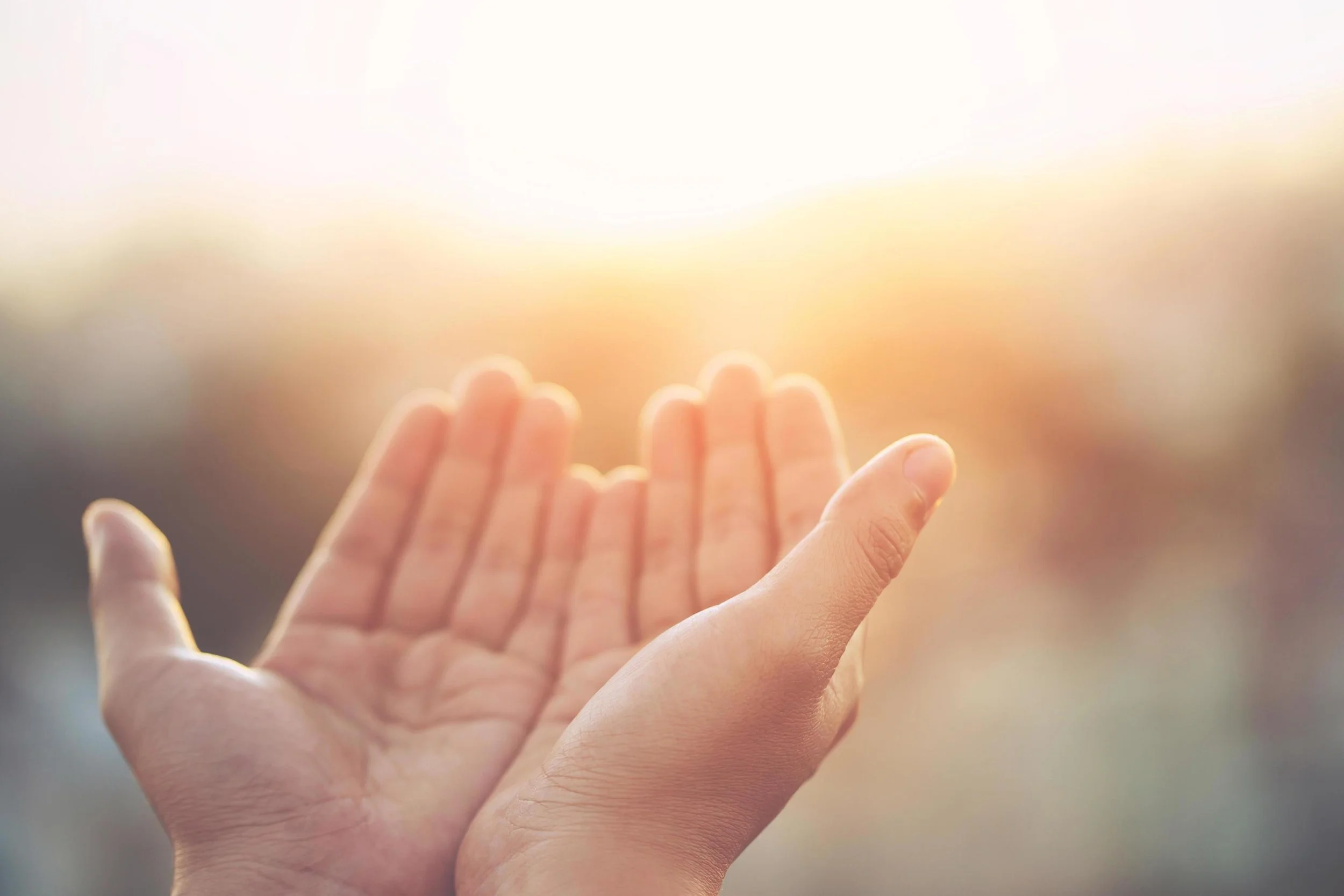
It asks us to consider that maybe, if we unclench our fists, something precious will simply be placed into our hands. All we have to do is say yes.
Now I want to offer something that I have put my heart into, that I hope you say yes to.
Introducing:
The Bravely Examined Life: a year-long, community-based program designed to help high-achieving women find meaning and identity outside of their accomplishments.
Maybe, like me, you’re tired of striving. Tired of doing everything right and quietly wondering what it’s all for. You worry your life is passing you by while you’re busy holding it together.
Maybe you find yourself asking: Is this really it?
I invite you to take one year to join a community of fellow travelers and learn how to connect more deeply with your body, reimagine your identity, explore your deepest desires, and develop the courage to live them out. My goal is for you to complete the year feeling more grounded, loved, purposeful, and alive to the world.
The members of the beta group have shown up for each other and themselves in ways I couldn’t even anticipate. And most are sticking around for another year—which I think speaks for itself.
We’re now ready to welcome new members to this beautiful Bravely Examined Life community.
To celebrate the launch, if you enroll between Sept. 15th and October 15th, you’ll get 40% off for the entire year-long program.
If you’re curious, apply for a free Get Acquainted Call with me.

This is not for you
It’s for the woman who has done everything right and still feels like she’s missing something she can’t name.
But maybe it’s for someone you know
I want to be direct about who The Bravely Examined Life is for.
It’s for the woman who has done everything right and still feels like she’s missing something she can’t name. Who’s successful by every external measure and privately wonders what any of it is for. Who is tired — not of working hard, but of working hard toward a version of a life that was never fully hers.
It’s for someone ready to spend a year in real inquiry. Not a weekend workshop. Not a quick fix. A slow, honest, communal exploration.
It’s probably not for you if you’re looking for a program that hands you a five-step plan, or if you’re not ready to sit in discomfort before you find clarity. This work doesn’t skip that part.
If what I described sounds like you, I’d love to talk.
Apply for a free Get Acquainted Call with me here.

Learning to take a compliment 🙈
I once sat in a meeting with my business coach when she did something that perhaps shouldn’t have surprised me, but did, somehow.
Why we're so bad at receiving love, and how to get better
I once sat in a meeting with my business coach when she did something that perhaps shouldn’t have surprised me, but did, somehow.
I was new to the coaching program, so I was encouraged when, during the course of the meeting, a more seasoned client told her success story and heaped praise onto my coach, complimenting her teachings and thanking her for all the wise guidance.
When the client finished talking, my coach, who had been listening and smiling, put her hand on her chest and said, “Thank you saying that. I’m really receiving it into my heart.”
I was struck. I’d never simply received a compliment so fully and gracefully. Instead, I typically had an aw-shucks-it-was-nothin’ kind of energy or a oh-it-wasn’t-really-me-you did-all-the-work kind of response.
How often do we do this swatting away of love, rather than letting it in?
Maybe we have people who compliment us at work, who say they really want us to come to their gathering, who send us happy birthday wishes, who cheer us on when we’re down. But, if the story that we are telling ourselves is:
They said it because they HAD to—they’re my mom/ dad/ spouse/ sibling/ coach/ client/ boss/ friend. Maybe they said that, but they don’t really mean it. They wouldn’t say that if they only knew how screwed up I really am.
The praise and loving energy bounces right off us. It doesn’t penetrate. We don’t actually receive it—and we continue to feel lousy, broken, and unlovable.
(Of course, it could be true that some of the time, some of the people are insincere or have ulterior motives—they’re trying to butter you up to get something they want—but to apply that blanket assumption to all loving interactions distorts reality and makes you certain about something you can’t be certain about. We can’t—despite best efforts—read the full minds and hearts of other people.)
So, if we’re willing to drop the resistance for just a moment, how do we actually let love in? How do we receive it?
Luckily, I’ve found that letting love in IS something that can be learned. I often work on it with clients. We do exercises in session, and I offer practices, resources, and readings. We talk about all the resistance that comes up and what that might be about.
But through it all, I stress two things:
One, learning to receive love takes time, practice, and repetition. You might say “May I let love in” to yourself every morning for months and feel like nothing is changing…until, one day, it does—a little bit. Then, a little more. And over time, you feel different.
Two, even the WISH to let the love in comes from a loving place inside of us. It is the part of us that wants our own happiness, peace, and fulfillment. If we can notice and acknowledge that part of us, we start to see that we’re not just empty, rotten, or broken. WE are the loving presence we’ve been waiting for—the one that knows us inside and out and still wishes for our happiness.
If you want to explore how to let more love in, let’s talk. Apply for a free Get Acquainted Call with me here.
Life's Purpose? My Clients Hated My Answer
Whether you like it or not, you are given life’s gifts. You do not deserve them. You cannot earn them. You simply receive them.
I still stand by it.
“Whether you like it or not, you are given life’s gifts. You do not deserve them. You cannot earn them. You simply receive them.
Deal with it.”
I said this recently in a session of The Bravely Examined Life—my year-long philosophical coaching program designed to help you reflect deeply on who you are and who you want to become—during a discussion about life’s purpose.
We were asking the big questions: Why are we here? How do we find our purpose?
As I looked at the expectant faces of the high-achieving women in the group, I offered a perspective that I knew would be unpopular:
As existentialist Jean-Paul Sartre’s said, human beings aren’t born with a pre-determined purpose or essence. Instead, we just are born. It’s up to us to decide why we’re here.
And because we live under capitalism, we’ve come to tell the story that the way we earn money or “contribute to society” is tied to our purpose and determines our value as human beings.
But that’s just a story.
The Bravely Examined Life members did not like this answer. What do you mean, I just exist? they said. That doesn’t feel like enough. I still need to pay my bills!
Yes, I said, we’ve organized a society that requires money to pay for food, shelter, and other things needed to live. But this was not always so, and it is not the only way.
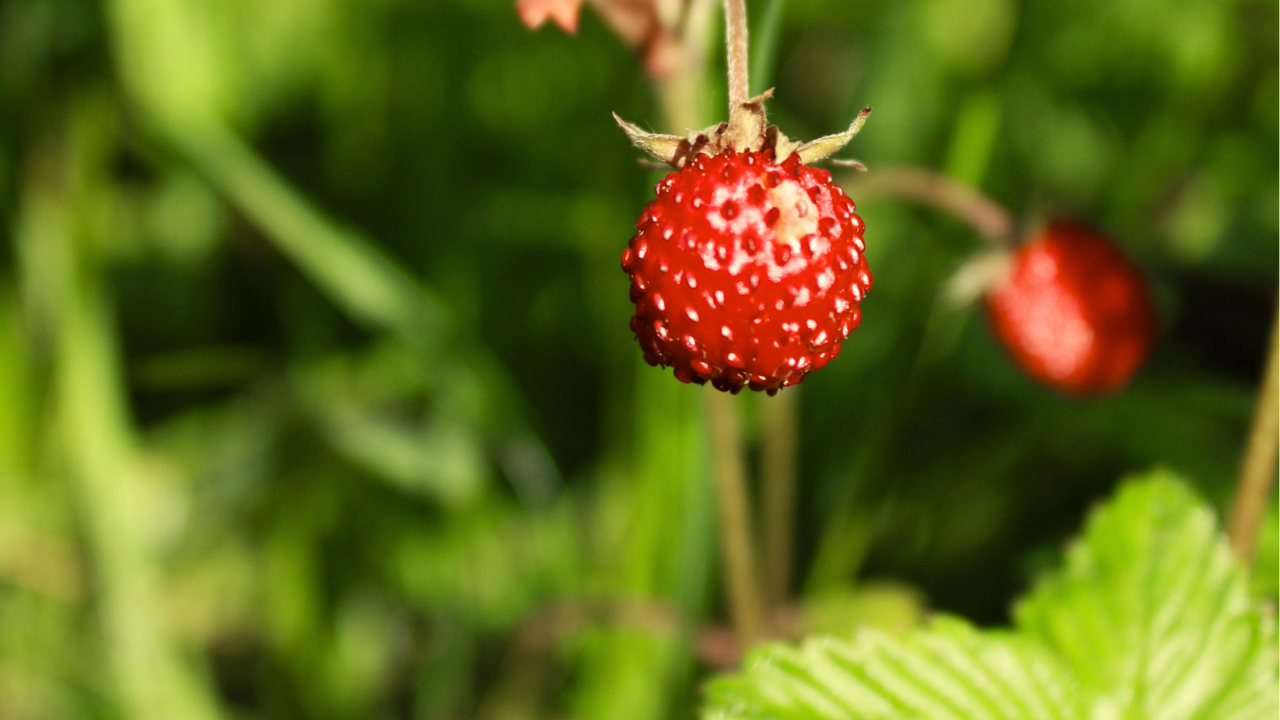
For the hundred and fifty thousand years before agriculture, humans were simply born and given gifts from the natural world: wild strawberries, mountain streams, roots, nuts, the occasional hunted animal, and fresh air that literally just flows out of the living green.
These life-supporting gifts were not earned, but simply given.
And they were met with gratitude and care.
So, yes, we now live under capitalism, and we have to survive in it. But it is not the whole of who we are as human beings, and it doesn’t have to determine how we value ourselves our what our lives are, or should be, about.
We can tell a different story: purpose has nothing to do with “earning a living.”
Instead, maybe purpose is about learning to listen to the still, small voice inside us that knows that just existing—and being grateful for this life—is enough.
How do you feel about your life’s purpose? Comment or post your answer in the comments on Substack and I’ll read them!
Check out the details about The Bravely Examined Life here.
The holiday that asks too much of everyone
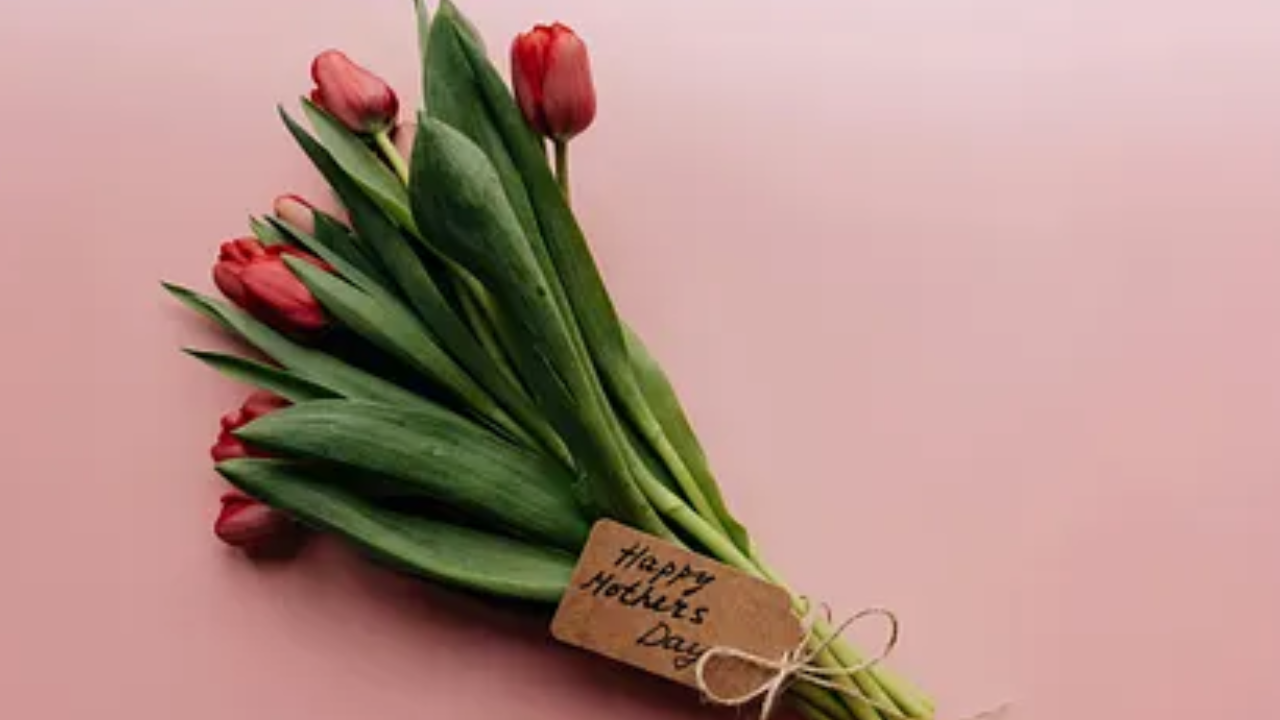
While I am always tempted to rant about the politics of Mother’s Day—otherwise known as the holiday in which the capitalist patriarchy reduced what was meant to be a day of collective action for the benefit of mothers to a consumerist flowers-and-brunch-buying day (I couldn’t resist).
On receiving the gift you didn't ask for
While I am always tempted to rant about the politics of Mother’s Day—otherwise known as the holiday in which the capitalist patriarchy reduced what was meant to be a day of collective action for the benefit of mothers to a consumerist flowers-and-brunch-buying day (I couldn’t resist. See here or here for a more complete rant)—this year, I am thinking about a different set of reasons this holiday can be complicated so many of us.
My theme this year is “Receive,” and chances are, there were lots of things you needed or wanted as a kid and didn’t receive from your mother.
Maybe it was her attention and understanding; maybe you craved more play, silliness and joy; maybe it was her very presence that you didn’t get. Capitalist patriarchy likely had a big role in all these absences too, by the way.
Nevertheless, if you’re like me, you may have spent a lot of time talking to your therapist about the negative impact of all the things you didn’t get from your mom. In many ways, it’s easier to focus on lacks, losses, and the ways that we have been victimized.
And yet, no matter our relationships with them, we are inextricably bound to our birth mothers. Because, whether we like it or not, our mothers have given us the biggest thing we could have ever received: our very existence.
For us, these women traveled to the mysterious realm where human beings come from—that sacred place as old as time, beyond culture and consciousness—and opened their own bodies as portals.
Each Mother’s Day (or Mothers’ Day, as it was originally intended) we are asked to acknowledge how much we’ve received.
We are asked to hold both of these truths at once: Our mothers didn’t give us enough, and they gave us everything.
Such complicated truths can feel not so comfy to sit in. Making brunch reservations is so much simpler.
But maybe, this week, it’s worth letting ourselves acknowledge, and really receive, all that our mothers, and their mothers, and theirs, have given us.

What a ski instructor knew about my life that I didn't
I once learned a critical life lesson from a snowboarding instructor known as the Snow Whisperer.
It wasn't really about snowboarding
I once learned a critical life lesson from a snowboarding instructor known as the Snow Whisperer.
It was April, and I’d been asked to fill in as a chaperone for the final week of the skiing and snowboarding program at the high school where I was teaching, serving underserved youth.
Problem was, all of the students had been learning to carve down Mt. Hood on their skis and snowboards for weeks, and I — a girl raised on the Great Plains — had never once strapped my feet into a snowboard.
While the other students had long graduated to the real slopes, I was still struggling to figure out how to stay upright on the bunny hill.
One of the program instructors took pity on me and called over his colleague to help. “He’s the Snow Whisperer. You’re in good hands now.”
And so, I found myself getting an hours-long, free, private lesson from the Snow Whisperer.
Snowboarding was a far cry from my usual day-to-day — teaching at a high school job I disliked, taking care of my toddler, and sobbing on the couch, convinced that my career was over, that I had irreparably blown my life, that I would never be happy again.
The year before, I’d spent five days in a psych hospital with postpartum psychosis. I'd been so anxious about failing as a mother — convinced I was screwing up my baby and damaging her developing psyche — that I hadn't been able to sleep. I’d paced the living room at two in the morning so often that my vision—and my mind—became blurry and smeared.
“You’re trying to rush it,” the Snow Whisperer said, demonstrating how I was tipping forward over my board.
He was a squat, middle-aged man with sun-tanned skin and a broad smile, who quickly diagnosed my problem. “You gotta relax.” He leaned back into an easy pose.
I tried to adjust my posture, doing what he said.
“Okay, but if you try to control it too much, you’re gonna fall,” the Snow Whisperer said. He encouraged me to shake loose, breathe, and start again. “Let the mountain come to you.”
I gave him a wry smile. If he only knew.
Over the course of the next few hours, I took the Snow Whisperer’s advice.
I breathed. I loosened. I trusted that the mountain would come to me.
By the end of the day, not only was I off the bunny hill and cutting my way down the mountain, but there was a lightness in my chest I had not felt in months.
There’s a real value in not getting up over our skis—or snowboards, as it were—and trusting that we can actually be more successful if we can just relax and receive.
In what ways could you let the mountain come to you? Just hit reply to this email, and let me know, and I—a real live human—will read it!
On receiving, in a time of loss
My word for 2026 is “Receive,” but it feels strange to talk about receiving when so much is being taken from us.
A philosopher's reflection on what can't be taken
My word for 2026 is “Receive,” but it feels strange to talk about receiving when so much is being taken from us.
Here in the U.S., it seems like every day brings news of another freedom under threat, another right rolled back. And alongside that is the heartbreak of realizing how long so many people have already been living under brutal, unjust conditions.
Even those of us who have known a measure of safety and stability can feel like we are always bracing against loss.
Our time is swallowed by endless to-do lists. Our attention is siphoned off by screens and feeds. Our happiness is promised somewhere just over the horizon, always arriving later.
How—in this burning world—can we simply sit back and receive?
I am a philosopher and a word nerd, so I approached this question by first looking at definitions.
The word “receive” has two Latin roots: re-, meaning “back,” and capere, meaning “to take.” To receive, quite literally, is to “take back,” to reclaim something that was already ours.
I think this etymology offers a clue.
I suspect that what we are being asked to receive is not something that can be earned, optimized, or hustled for. It’s not the promotion, the book deal, the picture-perfect home decor.
It’s not even a just and equitable society. We can see that’s not being freely given.
What we are called to receive is something that can never truly be taken from us: a felt sense of love and belonging in this world.
It is a knowing that we are worthy, regardless of what we have or don’t have, do or don’t do.
I suspect that grounding into our sense of enoughness is how we regain our power to inhabit the lives of our dreams—not just the ones we’re supposed to want—both for ourselves and our world.
I have seen in my own life that, paradoxically (and all truth seems to live in paradox), when I feel like enough just as I am, the easier it becomes to do work, make changes, and achieve goals, because I can feel that my value comes from a deeper place.
And still, knowing this and living it are very different things.
How do we actually feel like enough?
That question has shaped decades of my life.
I didn’t find the answer in a single insight or affirmation, but through practices—ways of relating to myself, my body, my work, and the world—that slowly, quietly changed how it feels to be alive.
If this question feels alive for you, I’ll be sharing some practices that helped me find my way in a free webinar called Feel Like Enough: A Feminist Path to Belonging Beyond Achievement.
You’re very welcome to join us.
My word of the year is...
Every year, I choose a word or theme of the year to serve as a guidepost for my thoughts and decisions.
...drumroll please...
Every year, I choose a word or theme of the year to serve as a guidepost for my thoughts and decisions. In past years, I’ve explored Trust, Courage, Truth, Gratitude, and Generosity—ya know, typical philosophical virtues I wanted to cultivate in myself.
This year is something a little different.
This year, the word makes me really uncomfortable.
Honestly, I’m not even sure how to relate to it.
I selected this year’s theme because I found myself repeatedly bumping up against internal resistance to, well, good things happening in my life in 2025.
I realized that I’d started to subtly sabotage myself: When several agents said good things about my book as they declined to represent it, I stopped looking for someone who would. When thousands of people followed me on social media, I stopped posting and went into hiding. When several new clients signed on with me, I failed to send timely invoices.
I started to see a pattern arise. It was almost as if my fear of success was waging an internal war with my fear of failure. It was almost as if I couldn’t allow myself to accept what the world had to offer me.
So, this year, I plan to deeply explore what this is about.
And thus, my word for 2026 is…
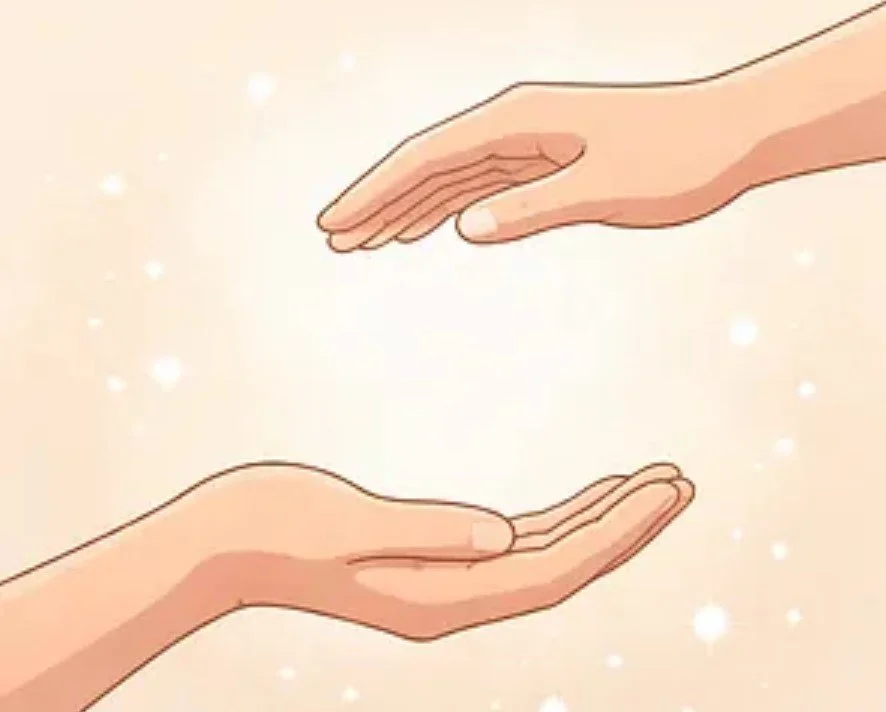
Receive.
This word makes me squirm. It raises the specters of greed, selfishness, unworthiness, and laziness. It rolls its eyes at entitlement. It shames me for my unearned privileges. It asks who the hell I think I am.
I see the same things arise in my clients as they agree to receive a year of coaching from me and struggle to see themselves as “worth it.”
But as proven again and again with my clients, I know that if we change our relationships with receiving, it will yield not only more material success, but immense spiritual growth and an increased sense of freedom—the true thing I think we’re all after.
So bring on 2026. It will be a year of learning to hold and to be held.
Let’s do it together.
How are you at receiving? Please comment to this blog or write it in the comments on Substack!
I feel so unimportant! 😫
Every now and then, the news cycle gets the better of me, and woof, I’m feeling it right now. It makes my work seem small and unimportant.
I can't believe how much this still takes me out
Every now and then, the news cycle gets the better of me, and woof, I’m feeling it right now. It makes my work seem small and unimportant.
You ever feel this way?
You know you have something to give the world, but it just doesn’t feel like enough, or it feels too hard and scary, and you’re not sure it’ll change much anyway. So, you just ignore it or distract yourself with cute cat videos online.
But you still wake up finding yourself wondering What am I doing? Is this all there is? I know I’m meant for more.
Luckily, my background in feminist philosophy has taught me that, “you’re not enough,” is false and a tool of oppressive control. Buddhist meditation has taught me to be with and honor my feelings, while recognizing that thoughts are just thoughts. Existentialism has taught me that while I can’t control what happens, I can control the story I tell and meaning I make out of what happens.
So I question my self-criticism, grieve for my country, and I reconnect with why I’m doing this work in the first place.
And right now, I’m doing this work because I believe the world needs more people to break free from this oppression system to do their most heart-centered work.
In short, The Bravely Examined Life is my work in the world to help you do your work in the world.
If you’re curious, schedule a conversation with me. We’ll talk about how you’re feeling, what you need, and a path toward your sacred work in the world.
Warmly,
Danielle

I Went Viral on TikTok
Something strange happened over the weekend.
I am not a social media person. I don’t have a ton of followers, and I’ve always been sort of reluctant to put regular content out there for such scrutiny.
Something strange happened over the weekend.
I am not a social media person. I don’t have a ton of followers, and I’ve always been sort of reluctant to put regular content out there for such scrutiny. But last week I went to an intensive training that was about letting yourself become more visible so you can have a bigger impact. Feeling inspired and emboldened, I thought, what the heck, and I recorded a video and posted it on TikTok.
It was my first TikTok ever, and it did surprisingly well, by my measurements. Over 2000 people watched it and over a hundred people liked within the first 24 hours. That’s the most engagement I’ve ever had with any social media postby a pretty good margin.
So I did another video the next day, in which I gave my annual rant about how Mother’s Day is a tool of the patriarchy—and woah.
As of right now, over fifteen thousand people have watched that video, over 1600 have liked it, and over 70 have left really lovely and encouraging comments.
I know this is not astronomical success. No one’s going to be calling me for a book deal or a speaking gig for this video. You might not even call it really viral, but it felt big to me. It felt like it could be the beginning of something.
And here’s the thing I noticed: I felt myself getting sucked into the Achievement Trap.
I could feel the seductive desire to keep checking my stats, the swell in my body that said: Yes! They love you! See? You matter.
I heard the perfectionistic inner-critic: You know you really should have taken a few minutes to learn to edit the video before posting it. It could have done way better if you had.
I could feel the stress tensing my body as I thought: Okay, you gotta ride this. You need to post every day now. What’s your next one? What if it doesn’t do as well?! Don’t screw this up!
I know the Achievement Trap well.
As a straight-A student, an award-winner, a Ph.D. in philosophy, I’d been caught inside the Trap for decades and I could feel myself starting to get pulled into the endless, grinding frenzy of it.
The Achievement Trap is the belief system that all your value as a human depends on temporary external markers of success: how fancy your job title is, how your kid’s birthday party compares to their classmates’, how nice your house is, or how well your little video does on freakin’ TikTok. It keeps you hustling, scared, and stuck in a life that doesn’t feed your soul.
But, thankfully, I’ve learned over the years how to ground into a sense of self-worth and meaning, independent of my accomplishments. I’ve learned how to feel a sense of unshakable belonging to the planet.
More and more, I’m learning to break free from the Achievement Trap.
I want to share what I’ve learned, as my gift you. Join me for:
Feel Like Enough: 3 Radical Ideas for Breaking Free from the Achievement Trap
A Free Webinar on Thursday, May 22 at 10am PT/ 1pm ET
Register here for a Zoom link and replay video
In this free webinar, you’ll learn:
Why chasing achievement will never satisfy your deeper longing for meaning
Three liberatory ideas rooted in existential philosophy, Buddhism, and feminism
Practices to stop proving yourself — and start trusting yourself
If you’re ready to feel a greater sense of worthiness and belonging, please join me. Register now.

Hope is a Discipline
This past Saturday, I was walking home with my husband and daughter, carrying well-used protest signs and feeling buoyant. We, like millions of others around the world, marched that day in protest of the Trump administration (among other things), and had spent the afternoon chanting “This is what democracy looks like!” with thousands of others in Portland.
This past Saturday, I was walking home with my husband and daughter, carrying well-used protest signs and feeling buoyant. We, like millions of others around the world, marched that day in protest of the Trump administration (among other things), and had spent the afternoon chanting “This is what democracy looks like!” with thousands of others in Portland.
On the walk back home, we passed by a neighbor who hadn’t been at the protests. He saw our signs and wryly asked, “Did you fix it? Is it all better now?”
It was a cynical joke.
Underneath it, I could hear his real sentiments: Your silly little activism doesn’t do anything. We don’t have any real power. Nothing is going to change anyway, so why even try.
I know that a lot of people feel this way. It’s easy to feel hopeless. We believe, perhaps rightly, the powers-that-be don’t care about us. Even those of us who do go out and try to make an impact may feel crestfallen when our efforts don’t result in big, overnight changes.
And let’s be honest: mostly likely, they won’t.
We often feel the same way about our personal lives. We want one-and-done solutions and instant results. When we don’t get it, we tell ourselves that nothing will ever change.
That we will never change.
The sign I made and carried at the protest on Saturday read “Hope is a discipline.”
This quote comes from Black activist Mariame Kaba, and it reflects my belief that hope is not a feeling you have when things happen to be working out well—it is a choice you make, over and over, regardless of the obstacles in front you.
Treating hope as a discipline means committing to taking embodied action (my theme for this year), in small, repeated ways, toward the world you want to see.
It is listening to the wisest, most grown-up parts of ourselves, who know that big changes take time and persistent effort and that the world is nuanced and complex, holding many truths at once.
Practicing hope is understanding that while cynicism, apathy, and despair may feel “good”—or at least, not stupid—in the moment, that we ultimately won’t be satisfied with them in the long run.
We know that, as humans, we long to care, to be connected, to be deeply alive.
So, let us honor the grief we feel, and then honor our longing for a more balanced, just, and beautiful world. Let us pick ourselves up and continue to dream, to hope, to try anyway.
Let us deliberately, stubbornly, choose hope.
(Check out my recorded class, “Choosing Hope”, for more on practicing the discipline of hope.)

The best video on fear and anxiety 😱 I've ever seen
A couple weeks ago, I got a note that someone had commented on one of my videos, saying, “It's one of the best videos on fear and anxiety I've ever seen. You deserve tens of thousands of views.”
A couple weeks ago, I got a note that someone had commented on one of my videos, saying, “It's one of the best videos on fear and anxiety I've ever seen. You deserve tens of thousands of views.”
Of course, that’s a nice thing to hear! I watched back over the video I’d made years ago, and I thought, Huh, that is a good video!
It is perfect for this moment when many of us are feeling really afraid about this state of the world, so, I’m sharing it with you below.
In it, I explain the difference between the sensations of our bodies and the stories in our heads. I suggest that staying connected with the body can turn fear into an experience of heightened aliveness and vitality.
The video also helps explain why my theme this year is “Embodied Action,” and not just “action.”
We need to stay inside our bodies if we’re going to do the hard things of fighting for justice, parenting our children in a frightening world, or even just doing the day-to-day work of getting up, going to work, and caring for ourselves and our homes.
When you click below, you’ll see that comment on YouTube: “It's one of the best videos on fear and anxiety I've ever seen. You deserve tens of thousands of views.”
Maybe give the comment and/or video a little upvote. Who knows, maybe we can make it happen!

Danielle LaSusa Ph.D. is a Philosophical Coach, helping new moms grapple with what it means to make a person. She is the creator of The Meaning of Motherhood course, which explores the changes in identity, meaning, and wisdom that come with motherhood. To join her mailing list, subscribe here.
© Copyright Danielle LaSusa PhD, LCC, 2021. All rights reserved.

And My Word for 2025 is...🥁
“How is it that my child takes so long to put on her shoes?!” I waved my fists around dramatically. The women on in the online room with me grinned and nodded. Deep in my bones, I felt the relief of not being alone.
“How is it that my child takes so long to put on her shoes?!” I waved my fists around dramatically. The women on in the online room with me grinned and nodded. Deep in my bones, I felt the relief of not being alone.
We were gathered for an session of The Mother Pack, my 6-month online group philosophical coaching program for moms, talking about how aggravating and heartbreaking it is to hurry our children along to meet the demands of our fast-paced, over-scheduled world.
One member, a writer, lawyer, and mother of teenagers, introduced us to “Mussolini Mom,” the name she gave to the version of herself that dominated her kids’ younger years.
“The trains run on time, but she’s a fascist.”
We all laughed in recognition. I definitely have had Mussolini Mom running the show in my home a lot of the time, barking about how many minutes my daughter has before we need to leave for the bus stop.
This moment in The Mother Pack, along with a few others, helped inspire my word of the year for 2025:
Fun.
Every year, I choose a word or theme to explore, unpack, and hold as a guide for my endeavors. This year, I want to explore how to be a little less “Mussolini” and instead have more fun, as a parent, a partner, an entrepreneur, and a coach.
As I looked at these members of The Mother Pack on my screen, I felt so incredibly grateful that they were showing up so honestly, with such trust and courage, and sharing themselves with me. And, I was having such fun.
I will hold Informational Meetings for the next cohort tomorrow, Wednesday, January 15, 2pm PT and Monday, January 20, 11:30am PT. Get the Zoom link by registering here. If you register, but can’t make it, I’ll send you a recording!
And yeah, I’ll say it:
It’s gonna be fun.
Danielle LaSusa Ph.D. is a Philosophical Coach, helping new moms grapple with what it means to make a person. She is the creator of The Meaning of Motherhood course, which explores the changes in identity, meaning, and wisdom that come with motherhood. To join her mailing list, subscribe here.
© Copyright Danielle LaSusa PhD, LCC, 2021. All rights reserved.

The Most Important Lesson of my Year
As my Year of Generosity comes to a close, the most important lesson I learned this year is not the one I thought I would learn.
As my Year of Generosity comes to a close, the most important lesson I learned this year is not the one I thought I would learn.
At the beginning of the year, I wanted to be more generous because, well, I felt like kind of a bad person. I felt greedy, miserly, protecting my stuff with a snarl. I wanted to stop the pain of stinginess and scarcity.
But it turns out, I was feeling all those things because—despite all my Buddhist meditation and spiritual work—I still saw myself as alone, separate, bereft. The world didn’t care about me and didn’t give enough to me, so I had to take care of me and mine.
But, as I started to study generosity, I realized that when I lean into the collective—my neighborhood, my friends, my city, this earth—my relationships flourish and I feel more secure, more taken care of.
I started to see that I needed to let myself have things too. Simon Sinek has said, “We don’t build trust by offering help. We build trust by asking for it.” I needed to let myself receive help from the collective spirit. I needed more compassion, patience, forgiveness, rest.
I needed to be more generous to myself.
Ugh, annoying.
But, I tell you, it worked. The more I’ve given myself permission to have what I really need, and the more I’ve accepted and appreciated things from others, the more easily and joyfully I’ve given.
I invite you to let yourself receive. Join the Rest and Resist Project and book a free 90-minute conversation with me to talk about what you need.
The Rest and Resist Project is a space for 20 women+ and mothers to receive 90 minutes with me, between December 1, 2024 and January 31st, 2025 to recognize their exhaustion, to rethink rest, and to reclaim their humanity, even when the world tries to tell them that they are unworthy and alone.
These sessions create an opportunity for me to deepen relationships with people in my community (like you!), to learn more about what you need, and to reciprocate the gifts I have received from philosophy by paying it forward.
Weekly Gifts
This year I’m working on my theme of Generosity by giving at least one gift every week of the year, and to chronicle and reflect on them here.
Week 47, Nov 25- Dec 1: I’ve started my Rest and Resist Project conversations, and what a perfect way to lean into my community, build relationships, express generosity, and be nourished in the process. You can book one here.
Week 48, Dec 2- 9: Christmas gifts. This year, I have a little less angst about buying crap off Amazon that no one really needs. I’m realizing that the deeper gifts I give are my attention, time, care, wisdom, and love. When I decouple these things from the material stuff, there’s less pressure to get the perfect Lego set.
Danielle LaSusa Ph.D. is a Philosophical Coach, helping new moms grapple with what it means to make a person. She is the creator of The Meaning of Motherhood course, which explores the changes in identity, meaning, and wisdom that come with motherhood. To join her mailing list, subscribe here.
© Copyright Danielle LaSusa PhD, LCC, 2021. All rights reserved.

The Easiest Way to Be More Generous
One thing I’ve realized during this Year of Generosity is that it is much easier to feel and be generous when you stay connected to gratitude.
One thing I’ve realized during this Year of Generosity is that it is much easier to feel and be generous when you stay connected to gratitude.
If you’ve been reading my newsletter for awhile, you may remember that my Year of Gratitude in 2022 left me feeling rich, and I found myself spontaneously handing out holiday gifts to friends and clients.
When you remind yourself of all you have, it’s easier to give things away. Listing all the good things in your life also helps you feel calmer and lets your nervous system rest, which makes it easier to give time, energy, and attention to the things that matter to you.
My Rest and Resist Project was inspired by this duality of gratitude and generosity: Allow yourself to rest and recharge in all the good in your life, then give what you can to make the world a better place.
The Rest and Resist Project is a space for 20 women+ and mothers to receive 90 minutes with me, between December 1, 2024 and January 31st, 2025 to recognize their exhaustion, to rethink rest, and to reclaim their humanity, even when the world tries to tell them that they are unworthy.
These sessions create an opportunity for me to deepen relationships with people in my community (like you!), to learn more about what you need, and to reciprocate the gifts I have received from philosophy by paying it forward.
Weekly Gifts
This year I’m working on my theme of Generosity by giving at least one gift every week of the year, and to chronicle and reflect on them here.
Week 43, Oct 21-27: I bought some thank you gifts for clients. I really do feel such gratitude that I get to do this work, and I want my clients to know how much I appreciate them.
Week 44, Oct 28- Nov 3: I hosted Halloween for my nine-year-old’s friends, inviting some of them over to our house for chili before heading out for trick-or-treating, and then inviting more, who we collected along the way, inside again to get out of the rain. I will admit that it was a lot of eight- and nine-year-olds who were high on a lot of sugar. I realized that hosting all of them may not be my ideal form of generosity…
Week 45, Nov 4 -10: I hosted a Grief Ritual at my house for friends and neighbors, following the outcome of the election. I agree with psychologist Francis Weller who says that grief is soul activism. The world needs us to fully feel our grief, to face it, for it is only then that we can do the hard work that is needed of us. When we do this grieving together, it heals us all.
Week 46, Nov 11-17: I held a bonus last session of my group coaching program for moms called The Mother Pack. Coaching these women, who have shown up so fully and vulnerably, has been such a joy, and I wanted to offer them a thank you.
Week 47, Nov 18-24: I contributed a little bit of money to a going-away gift for a friend leaving town. It is just a reminder that even 5 bucks goes a long way when it is combined with others for an unexpected little present.
Danielle LaSusa Ph.D. is a Philosophical Coach, helping new moms grapple with what it means to make a person. She is the creator of The Meaning of Motherhood course, which explores the changes in identity, meaning, and wisdom that come with motherhood. To join her mailing list, subscribe here.
© Copyright Danielle LaSusa PhD, LCC, 2021. All rights reserved.

Paychecks for Parenting
It feels grandiose to say that writing my book is an act of generosity. But, in the technical sense, you could reasonably call it a gift.
It feels grandiose to say that writing my book is an act of generosity. But, in the technical sense, you could reasonably call it a gift.
Anthropologist Lewis Hyde and author of The Gift says that creative work, true art, is given as an offering. And, indeed, I’m not getting paid to write this book. It’s not a market commodity like milk or lumber that has a standard dollar value. I don’t know if it will sell at all, and if I’m given some money in the end, it will be a bonus. But I’m still laboring away.
I’m putting in hundreds, if not thousands, of hours of unpaid labor with no guarantee of return…much like in motherhood.
Our patriarchal society has decided it crass or unnatural to pay people to take care of their children, and instead expects that parents—and, let’s face it, mostly mothers—willingly do hours and hours of incredibly demanding, ‘round the clock, uncompensated labor, for years and years.
To dismiss this work as “what they signed up for,” is both at times misleading—given the limited access to abortion in this country right now, many mothers have not willingly signed up for this work—and it obscures the truth that mothers provide an incredibly valuable service both to their individual children and to society more generally. We ought to recognize their work for what it is: enslavement to care for our children through bonds of love and/or an act of breathtaking generosity.
Of course, both artists and parents receive certain intangible benefits from their labors of love: deep relationships to others and to ourselves; experiences of compassion, connection, and joy; a great sense of purpose or meaning.
But those goods arise from the labor itself. They’re not quite the same as a repayment of lifelong intimacy, or guaranteed caretaking of us in our old age, or, frankly, cold hard cash. Those things are uncertain and/or unforthcoming.
Ultimately, I may actually end up getting paid for my book at an amount that reasonably compensates all those writing hours (fingers crossed!). But unless there are some radical changes in public policy, I don’t imagine that stay-at-home parents are going to start receiving bi-weekly federal paychecks any time soon.
That doesn’t mean that we shouldn’t value the work that we mothers do and we shouldn’t give ourselves credit for the deep generosity we continue to show. It also doesn’t mean that we shouldn’t fight for and expect substantial compensation.
Weekly Gifts
This year I’m working on my theme of Generosity by giving at least one gift every week of the year, and to chronicle and reflect on them here.
Week 38, Sep 16-22: I volunteered to do lunch duty at my 3rd-grader’s school once a month. While driving forty-five minutes round trip to stand in a loud cafeteria of elementary kids for an hour is not exactly my idea of a good time, I know that pitching in keeps me connected to the school community.
Week 39, Sep 23-29: I gave a talk called "How to Feel Worthy, Even When You Can't Do it All" at the POWER women's networking event in Portland, OR. It’s hard to know whether to consider this as a giving or a receiving of a gift.
Week 40, Sep 30-Oct 6: I’ve noticed that I’ve been tipping with a lot less angst recently, feeling less like I’m tipping because I feel obligated and more like I’m doing so because I want to.
Week 41, Oct 7-13: I brought a bowl of fresh-picked figs to a friends’ place as an offering for the snack platter. There was something so especially delightful about plucking fruit, knowing that it would be enjoyed in just a few hours.
Week 42, Oct 14-20: A friend and I went out to eat. He makes an order of magnitude more money than me and so he always insists on paying for dinner, but I was glad he didn’t protest when I paid for dessert later. An offering for an offering, regardless of the size.
Danielle LaSusa Ph.D. is a Philosophical Coach, helping new moms grapple with what it means to make a person. She is the creator of The Meaning of Motherhood course, which explores the changes in identity, meaning, and wisdom that come with motherhood. To join her mailing list, subscribe here.
© Copyright Danielle LaSusa PhD, LCC, 2021. All rights reserved.

The Giving Stump
I have a friend who has a problem with giving. Every month, when she and her spouse allot personal “fun money” for each of them, my friend immediately donates almost all of hers to various community causes. What’s the problem? you may ask. That’s so generous!
I have a friend who has a problem with giving. Every month, when she and her spouse allot personal “fun money” for each of them, my friend immediately donates almost all of hers to various community causes. What’s the problem? you may ask. That’s so generous!
Well, maybe.
But my friend admits that her giving feels like a compulsion. She does it without even thinking, and it often means that she doesn’t have money left over to go out to dinner with friends, or invest in hobbies, or do anything else that might nourish her.
She’s not alone. So many of us do this.
Even if it isn’t money, maybe you give away your time, filling every spare moment with helping your colleagues, friends, neighbors, kids. Maybe you give away your attention, to social media, scrolling, and whatever pings on your screen. Maybe you give away your energy to people or projects that are emotionally and psychically draining.
Why do we do this?!
You have but one wild and precious life (thanks Mary Oliver) and you’re going to spend it uncritically giving your life-energy to things that you may or may not actually care about? And then later feel resentful, angry, and depleted?
I know why.
Because this society tells me that, in order to be a good person, particularly as a woman and a mother, I need to wring myself out until there’s nothing left.
Plus, if I give away all my money, time, attention, and energy, I don’t have to ask myself what I actually want. I don’t have to grapple with the discomfort of feeling undeserving or guilty for indulging my own desires or attending to my own needs.
Heck, I don’t even have to admit that I have desires or needs! Nice!
In compulsive giving, I get to feel like a good, magnanimous, and generous person—or at least not like a selfish and bad one. I get to be like the Giving Tree in that depressing Shel Silverstein children’s book.
But, as I am learning in my year-long exploration of Generosity, “giving” and “generosity” are not the same thing.
Although I’m still not certain about precise definitions, I’m pretty sure that true generosity doesn’t result in resentment, bitterness, or financial, emotional, psychic, or spiritual poverty.
Maybe, as my old therapist said to me back in February, the best way to show up in this world is to be sufficiently generous with myself, as well as others. Maybe I should only give when it comes from a sense of sufficiency, community, and maybe even joy.
Do you have a giving problem? Comment on this post!
Weekly Gifts
This year I’m working on my theme of Generosity by giving at least one gift every week of the year, and to chronicle and reflect on them here.
Week 34, Aug 19-25: My neighbors and I had a block party. My husband ordered a bounce house, we grilled chicken, my daughter did a raffle and gave away prizes that were small treasures from her bedroom. Lots of other families also gave of their time, food, flowers, music, and lawn games. It was a festival of giving.
Week 35, Aug 26-Sep 1: My family and I did some traveling back the east coast and stayed with friends. We bought meals as thank yous for the free lodging, and I’m starting to see this exchange as less transactional than I used to. There’s something special about each part of that exchange being an offering, not an agreed-upon price.
Week 36, Sep 2-8: My husband was supposed to give a presentation at the Rose City Comicon this year, but got sick with Covid. Comicon is not really my thing, so he had intended to bring our daughter to the convention. When he fell ill, I made the personal sacrifice of walking blindly into the cos-play carnival with her instead.
Week 37, Sep 9-15: I bought my kiddo a book that she wanted. Gift giving is not my love language (I’m more a quality time and acts of service type), and normally, my daughter would use her allowance for such a desire. But, maybe because of all this work on giving I’ve been doing, I felt moved.
Danielle LaSusa Ph.D. is a Philosophical Coach, helping new moms grapple with what it means to make a person. She is the creator of The Meaning of Motherhood course, which explores the changes in identity, meaning, and wisdom that come with motherhood. To join her mailing list, subscribe here.
© Copyright Danielle LaSusa PhD, LCC, 2021. All rights reserved.
Danielle LaSusa, Practical Philosopher

I'm Danielle LaSusa PhD, Philosophical Coach and Consultant. I help individuals and organizations think clearly, choose wisely, and live purposefully. I specialize in serving moms.
Learn More →
Follow Me
Follow me on social media to get up-to-the-minute philosophical wisdom.
What do you do when everything you believe about the world crumbles to pieces around you? How do you rebuild a sense of hope, meaning, and truth? As a philosophy professor and coach, I've thought about these questions a lot, and I’ve learned some things. I gave a TEDx talk at TEDxPCC called, "What to do when you're worldview falls apart." Take a look.